

Eavestroughs & Downspouts · Ottawa
Eavestroughs and downspouts in Ottawa
Korvex Construction repairs and replaces eavestroughs and reroutes downspouts across Ottawa, Kanata, Stittsville, Barrhaven, Nepean, Orleans, Manotick and Riverside South, so roof water lands on grass away from your foundation and off your neighbour’s lot. The on-site estimate is free, and the written price follows the visit.
- Eavestroughs
- Downspouts
- Downspout extensions
- Clear stone
- Finished grade
Following roof water from the edge of the roof down to the ground beside the house.
- Eavestrough on the fasciaHeld tight to the roof edge, sealed at joints and end caps, with a fall toward each downspout.Falls to the outlet
- Downspout and extensionCarries the water down the wall and out at least four feet, onto grass.Four feet or more
- Grass where it landsA permeable surface on your own lot, away from walkways, steps and the lot line.Soaks in
- Finished gradeShaped to fall away from the foundation, so the water keeps moving off the wall.Falls away from the wall
What goes wrong
Where your roof water goes when it leaves the roof
A roof collects every drop that falls on it and hands it to the eavestroughs, which pass it to a few downspouts. Each downspout then empties a whole section of roof onto one small patch of ground. When that patch sits against the foundation, on a walkway or on a slope that runs back toward the house, the water ends up where nobody wants it: along the basement wall, under the steps, in the side yard.
Eavestroughs fail in a few predictable ways. Leaves and seeds from the maples fill them, so water spills over the front edge in every heavy rain. Hangers loosen and a run sags, so water pools in the low spot and overflows there. Joints and end caps start to drip, and a trough pulled away from the fascia lets water run down behind it. A few storms of that wear grooves in the garden and stain the parging below.
At the bottom, the downspout matters as much as the trough. A downspout with no extension, a splash pad that tipped toward the wall, an extension crushed by the lawn mower, or one that ends in a pipe in the ground can undo good eavestroughs. City of Ottawa guidance asks for downspouts to be extended at least four feet from the foundation onto a permeable surface such as grass, and never onto a neighbour’s property, a sidewalk, a right of way or an easement.
Ottawa winters add their own problems. Snowmelt runs off the roof on sunny days and freezes again at night, so a downspout that empties onto a walkway or a driveway turns it into a sheet of ice. Water that soaks in next to the wall freezes too, and it pushes on steps, slabs and the parging. The City also advises clearing snow away from the foundation for the same reason: meltwater at the wall finds its way in.
A proper job looks at the whole path, from the roof edge to where the water finally soaks in. We repair or replace the eavestroughs that leak or sag, reroute and extend downspouts so roof water lands on grass well away from the wall, disconnect downspouts that run into the ground where the City advises it, and fix the slope of the ground where the water lands. Where a lot is too tight for a surface route, the downspout is planned together with a drainage line.
How we build it
Roof edge to grass: what a sound setup includes
A downspout is only as good as the place it empties. So the work runs from the top down: the trough carries water to the downspout, the downspout carries it off the wall, and the ground where it lands carries it away from the house.
- Watch the water
We trace each downspout from the roof edge to where its water ends up. Photos taken during a heavy rain help a lot.
- Every outlet checked
Each downspout is looked at: on grass, on a walkway, aimed at the neighbour, or in a pipe in the ground.
- Off the wall, onto grass
City guidance asks for at least four feet from the foundation, onto a permeable surface, never onto a neighbour’s lot, a sidewalk or a right of way.
- Cap what is abandoned
When a downspout comes out of a pipe in the ground, the pipe end is capped, as the City advises.
- Fix the ground with it
An extension that empties onto ground sloping back to the house only moves the puddle, so the grade is checked at the outlet.
- Think about winter
Outlets are kept off walkways and the driveway, where meltwater freezes into ice on cold nights.
What we build
Eavestroughs and downspouts: the work we take on
Eavestrough repair
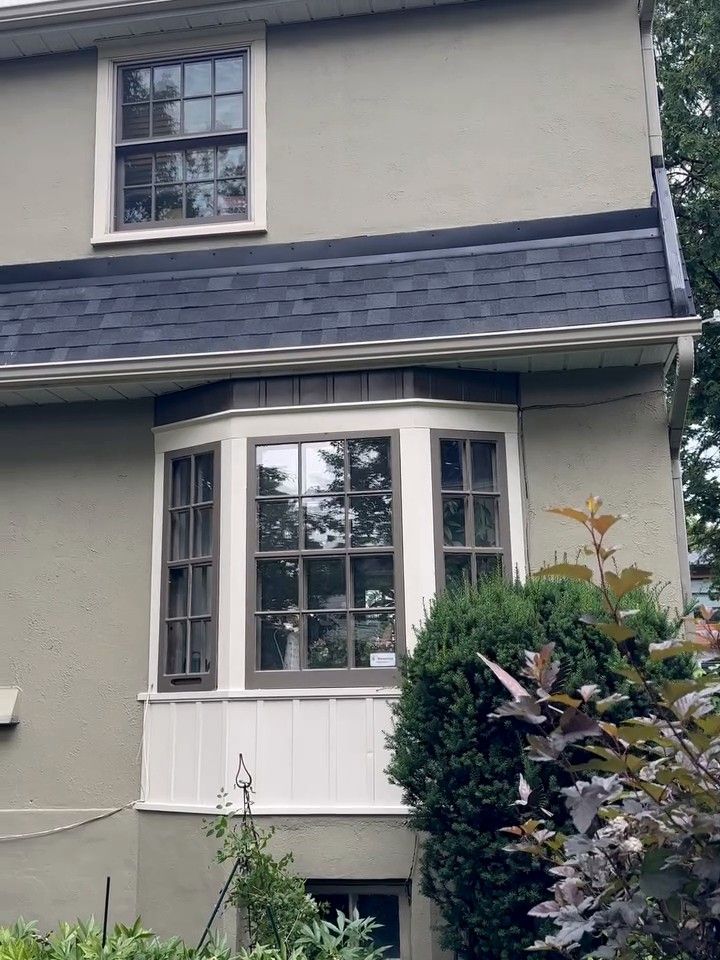
Sagging runs rehung, leaking joints and end caps resealed, and troughs that pulled away from the fascia fastened back, with the fall toward each downspout checked so water stops sitting in the trough.
Eavestrough replacement
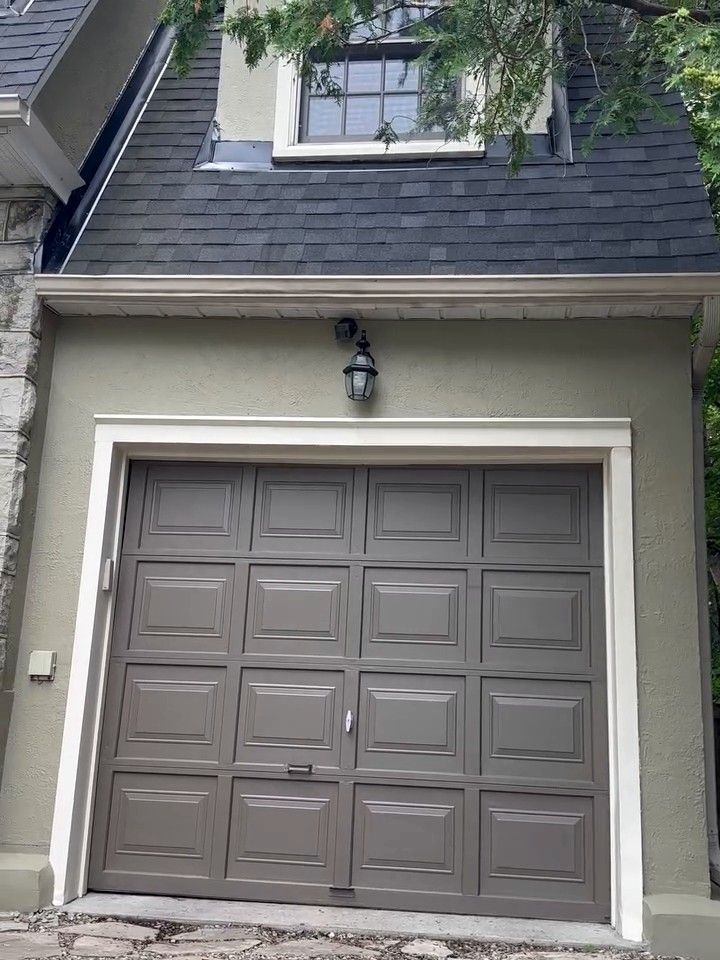
Runs that leak along their length or have bent out of shape taken down and replaced, with downspouts placed where the ground below can take the water.
Downspout extensions and rerouting
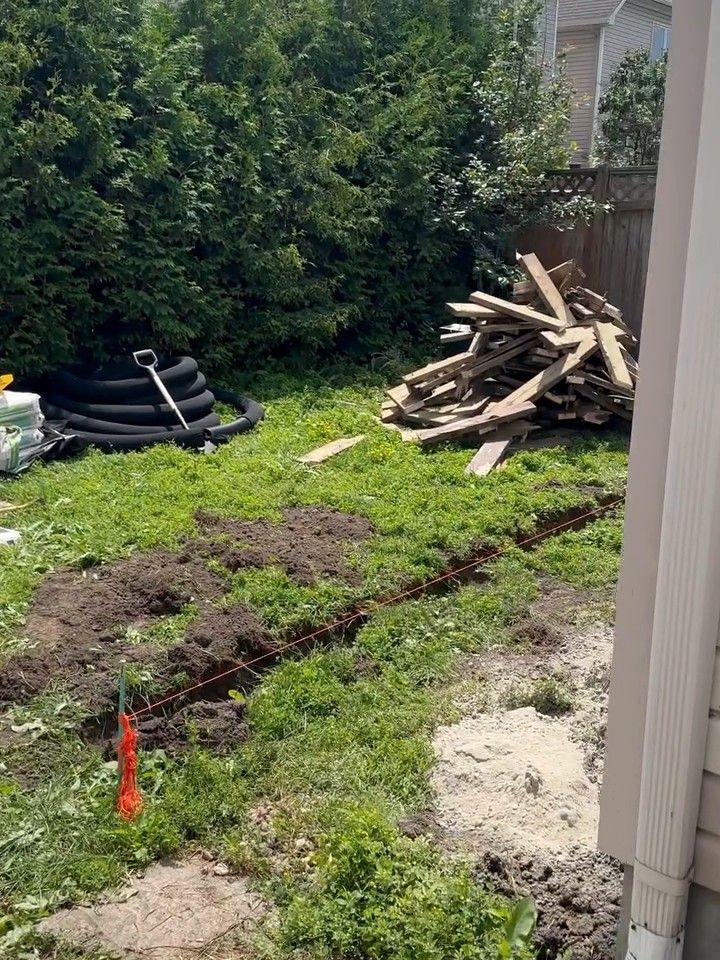
Downspouts extended at least four feet from the foundation, onto grass, and turned away from walkways, steps, the driveway and the neighbour’s lot.
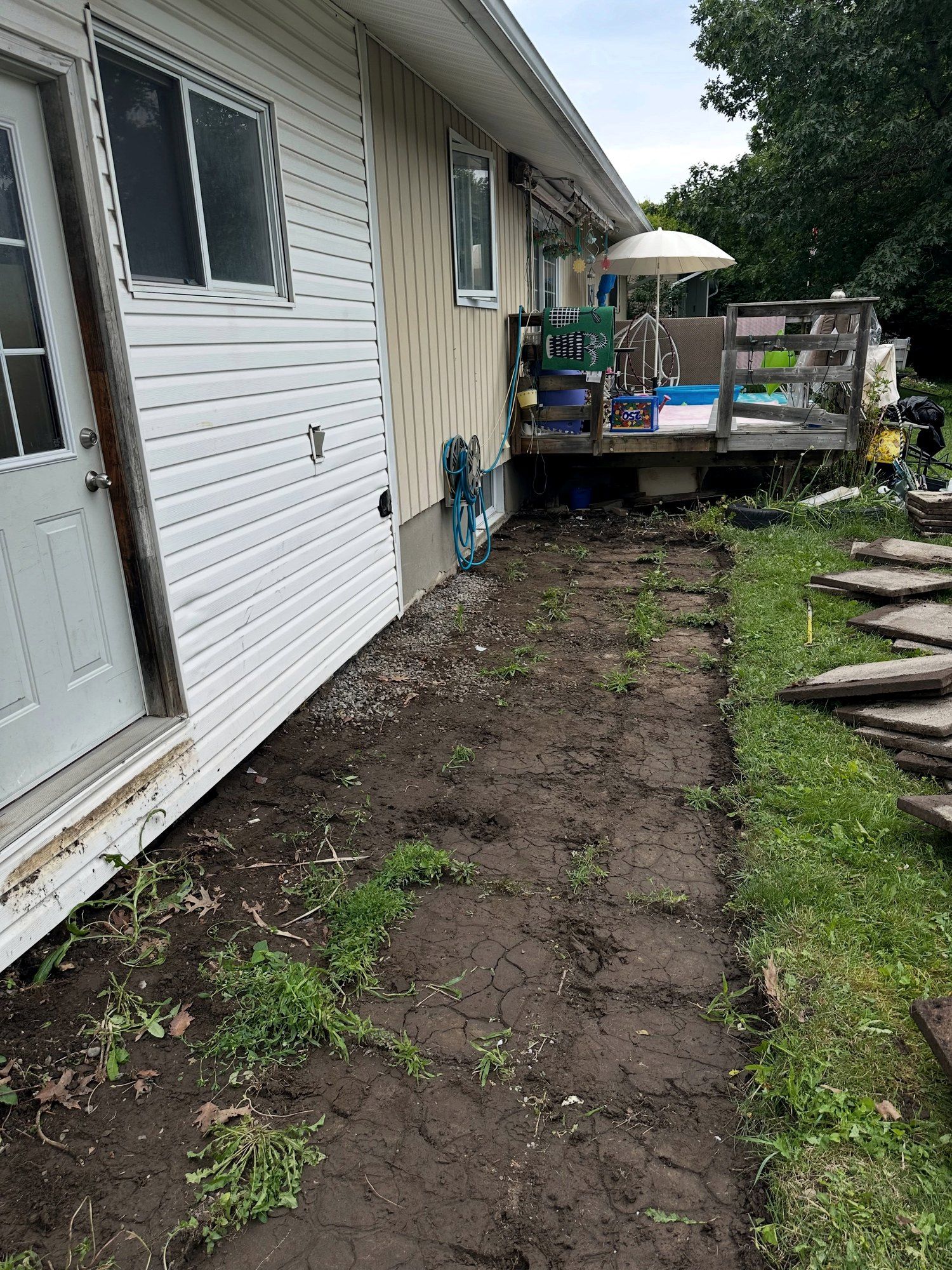
Disconnecting downspouts from the ground
A downspout that runs into a pipe in the ground disconnected, the pipe end that comes out of the ground capped, and the roof water given a surface route across your own lot.
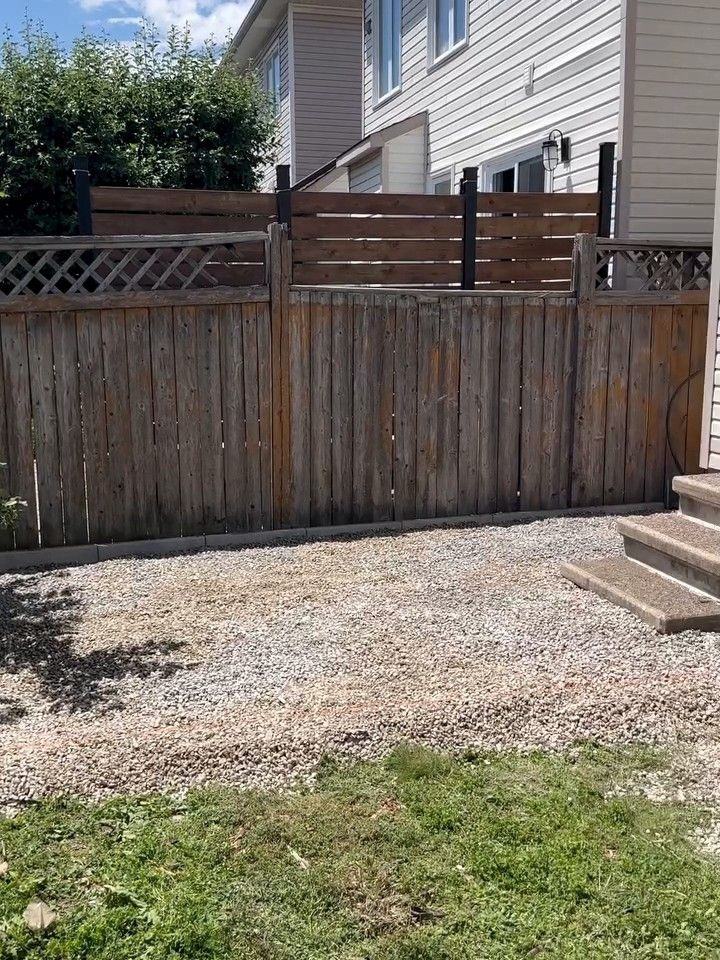
Roof water into a drainage line
Where a tight side yard leaves no room for an extension, the downspout is planned with a shallow French drain or a clear-stone strip that carries the water to a lower part of the yard.
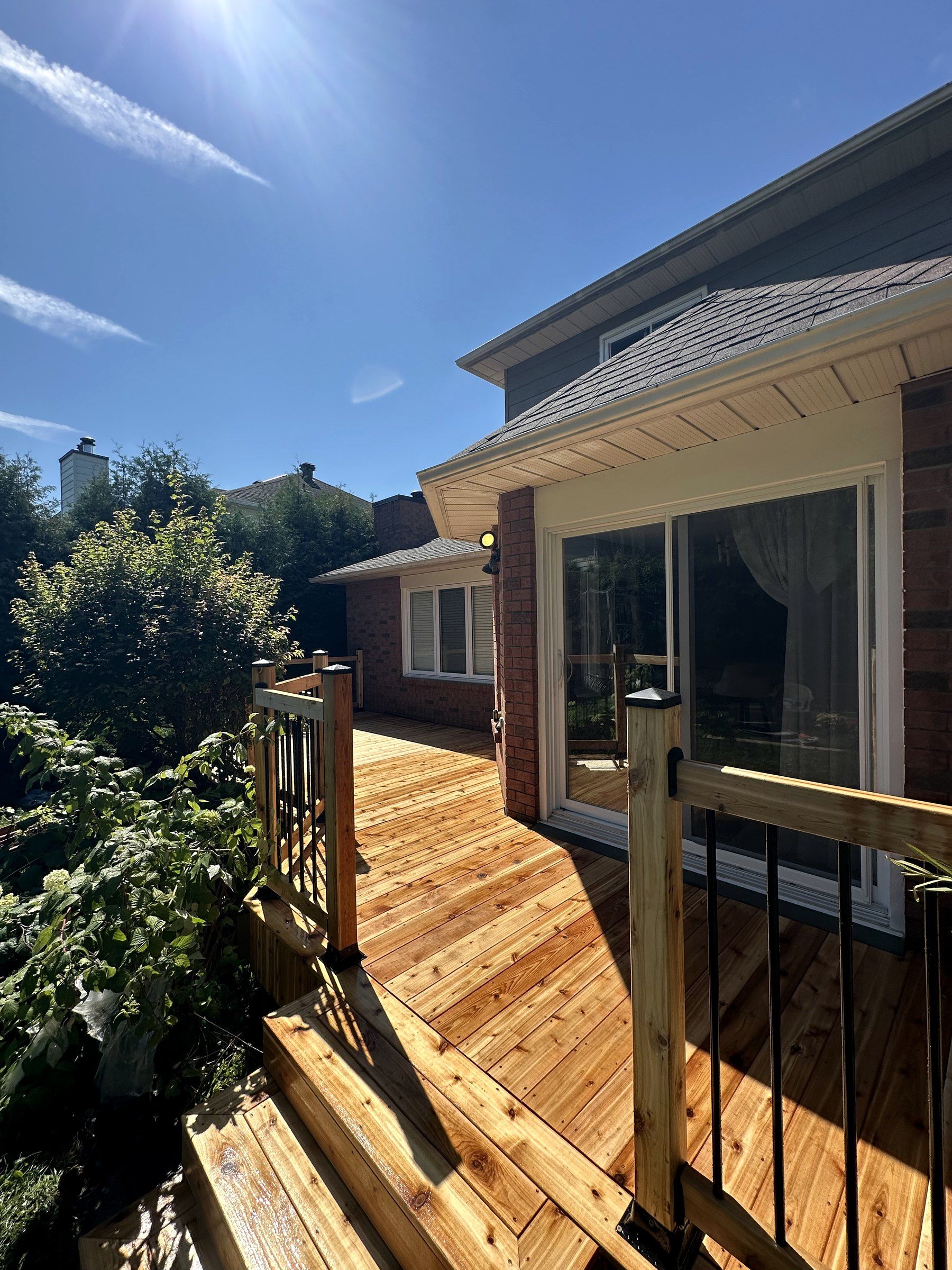
Eavestrough cleaning on a visit
Leaves and grit cleared from the troughs and downspouts as part of a repair or rerouting visit, so we can see how water runs through them.
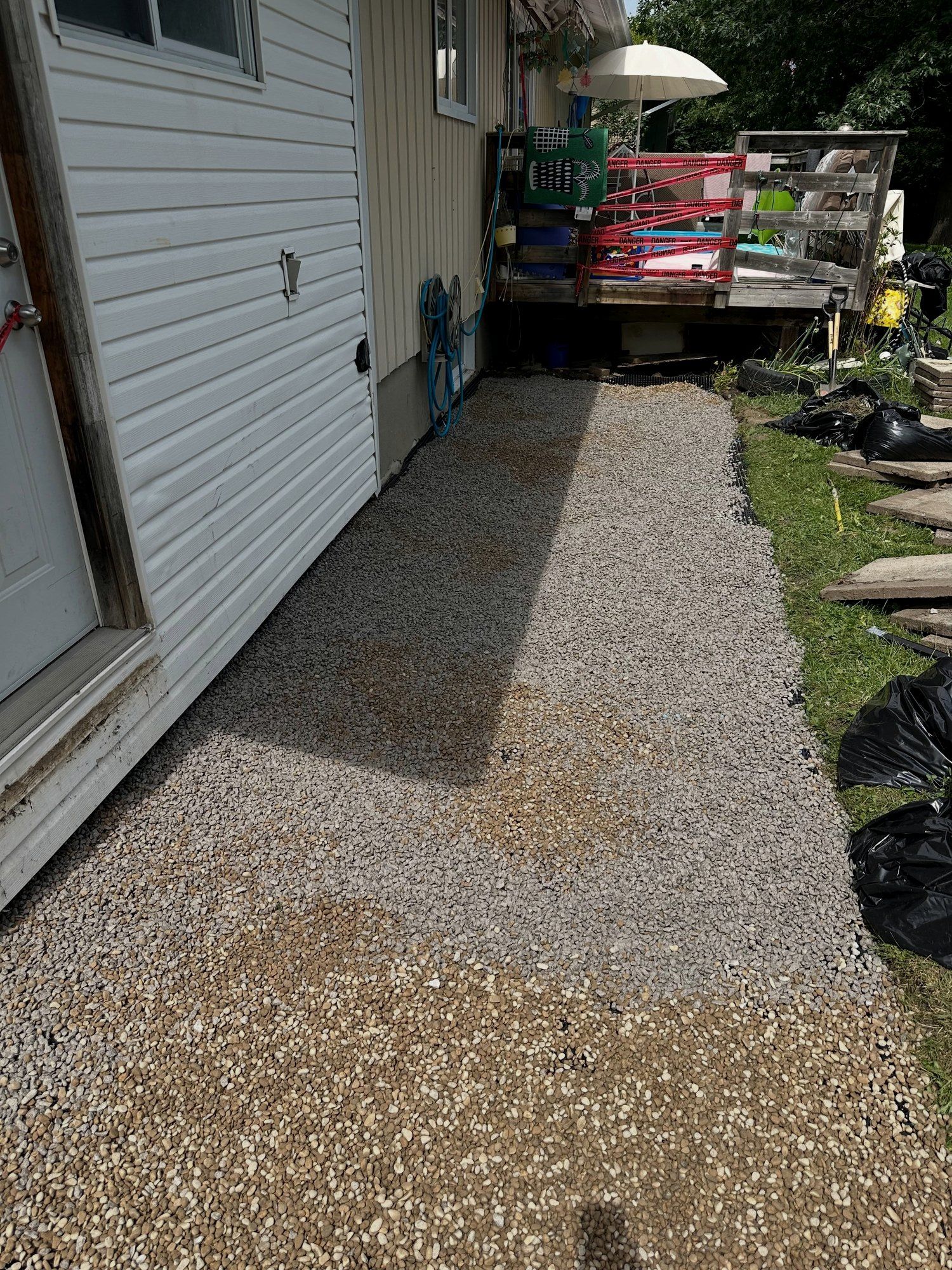
Where the water lands
Ground that slopes back toward the wall reshaped, tipped splash areas set right, and soil or mulch piled against the foundation pulled back, so water that reaches the ground keeps moving away from the house.
Related projects
Often part of the same job
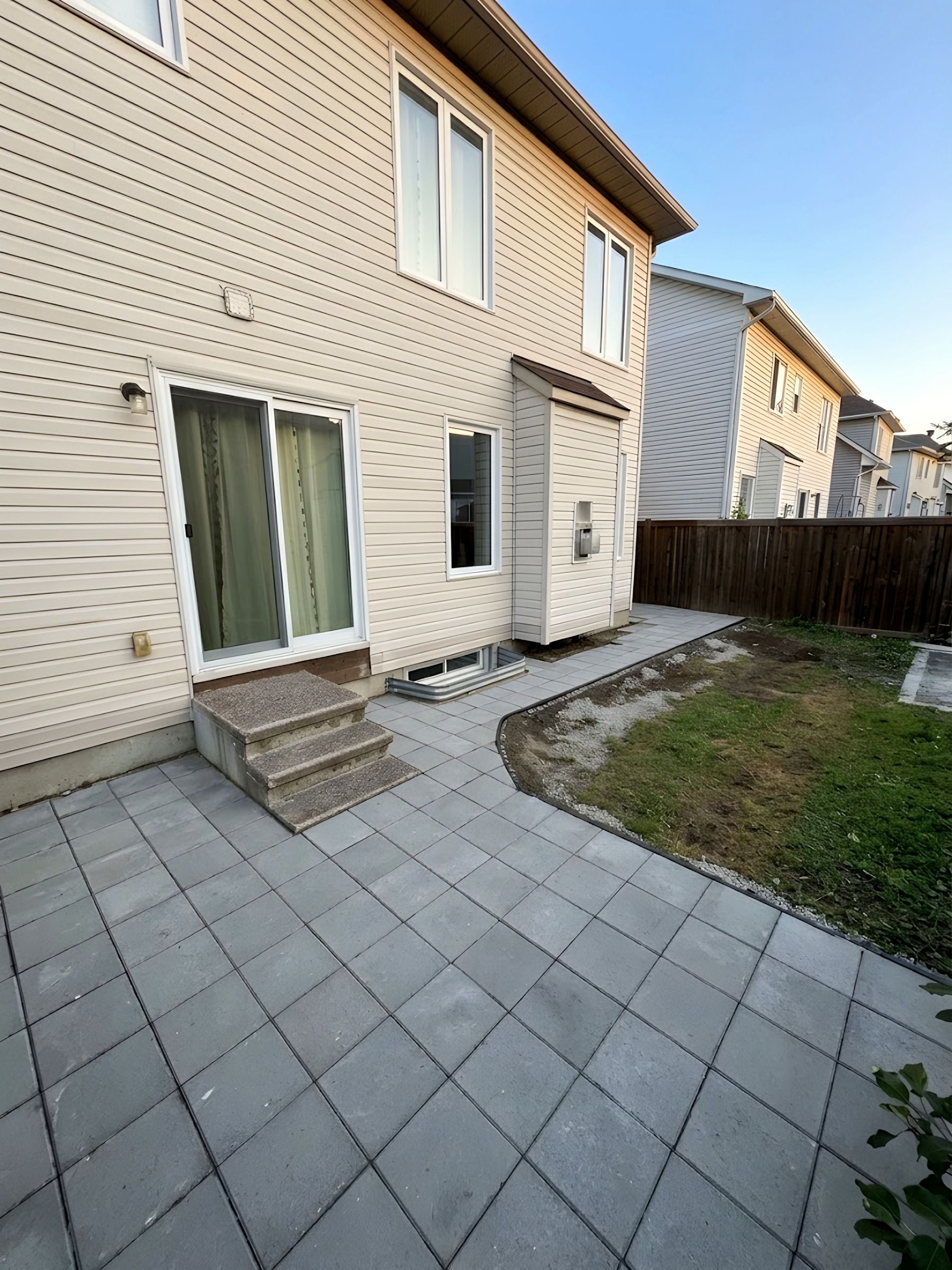
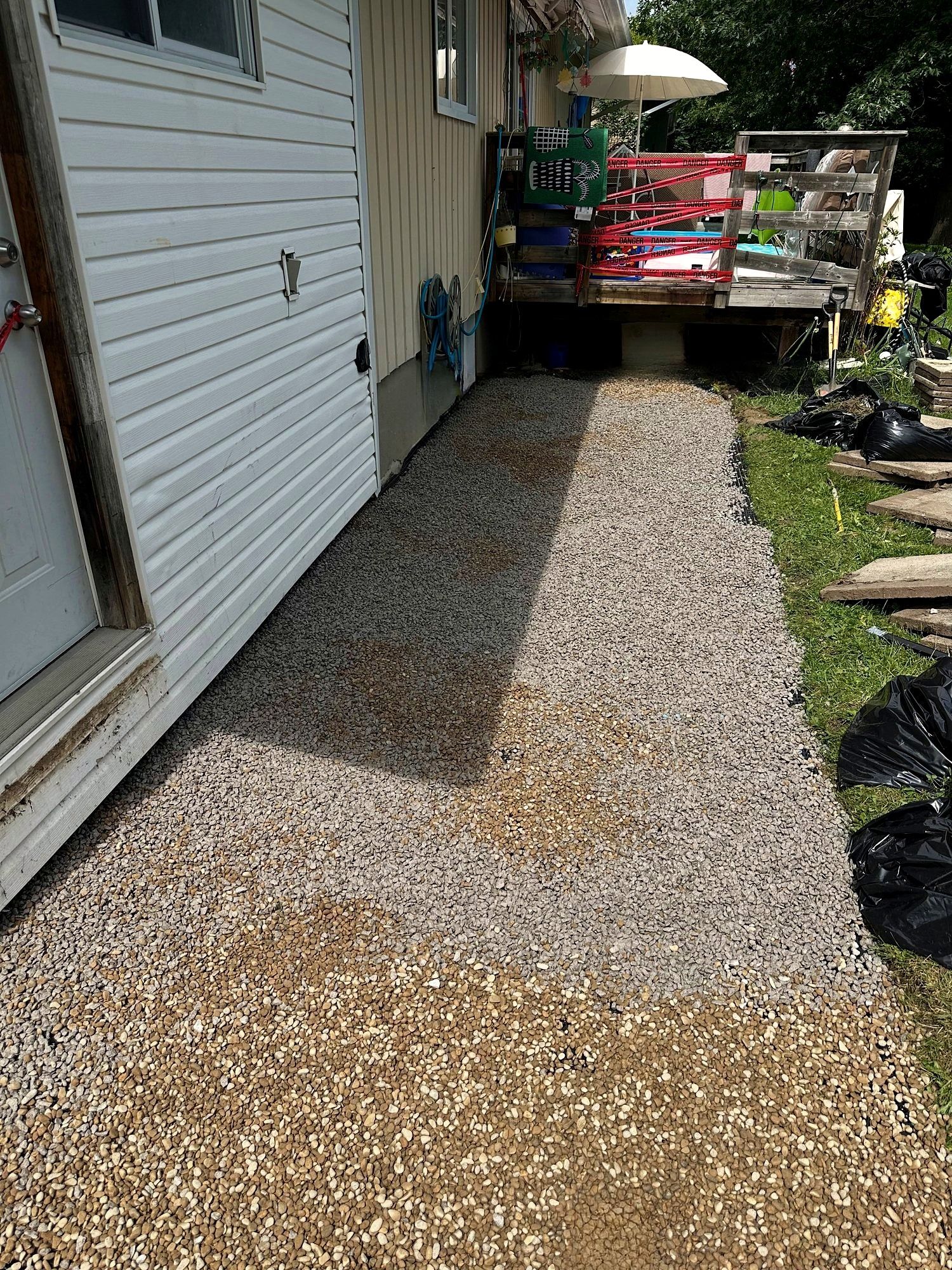
“Vlad and his crew installed my patio in 2 days. Did excellent work and vlad answered any and all questions I asked. I highly recommend Korvex Development for any job you may require.”
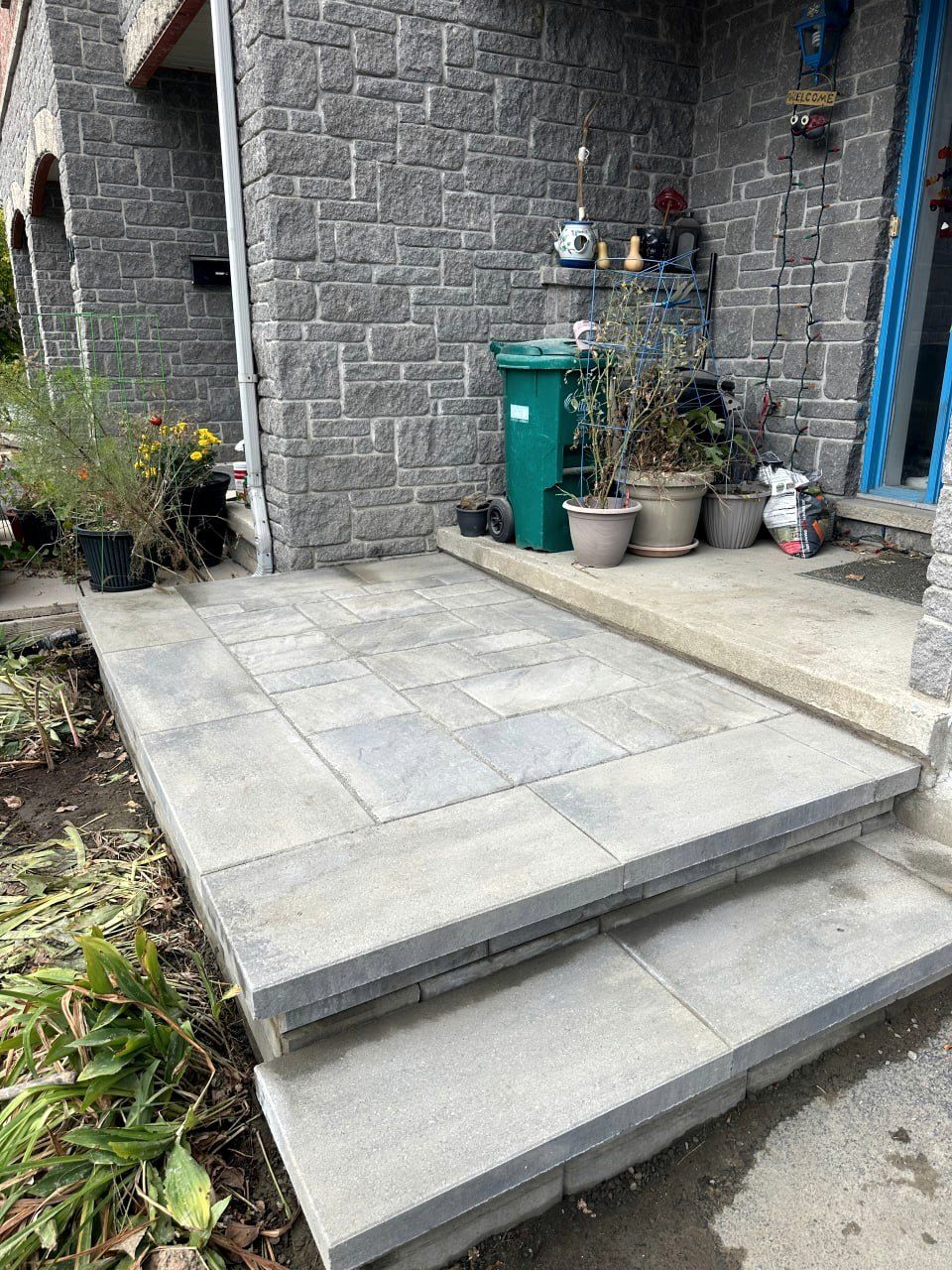
Joe Ayoub · Patio installed
“Did awesome work! had them repair a leany fence and they were on time, cheap and super professional”

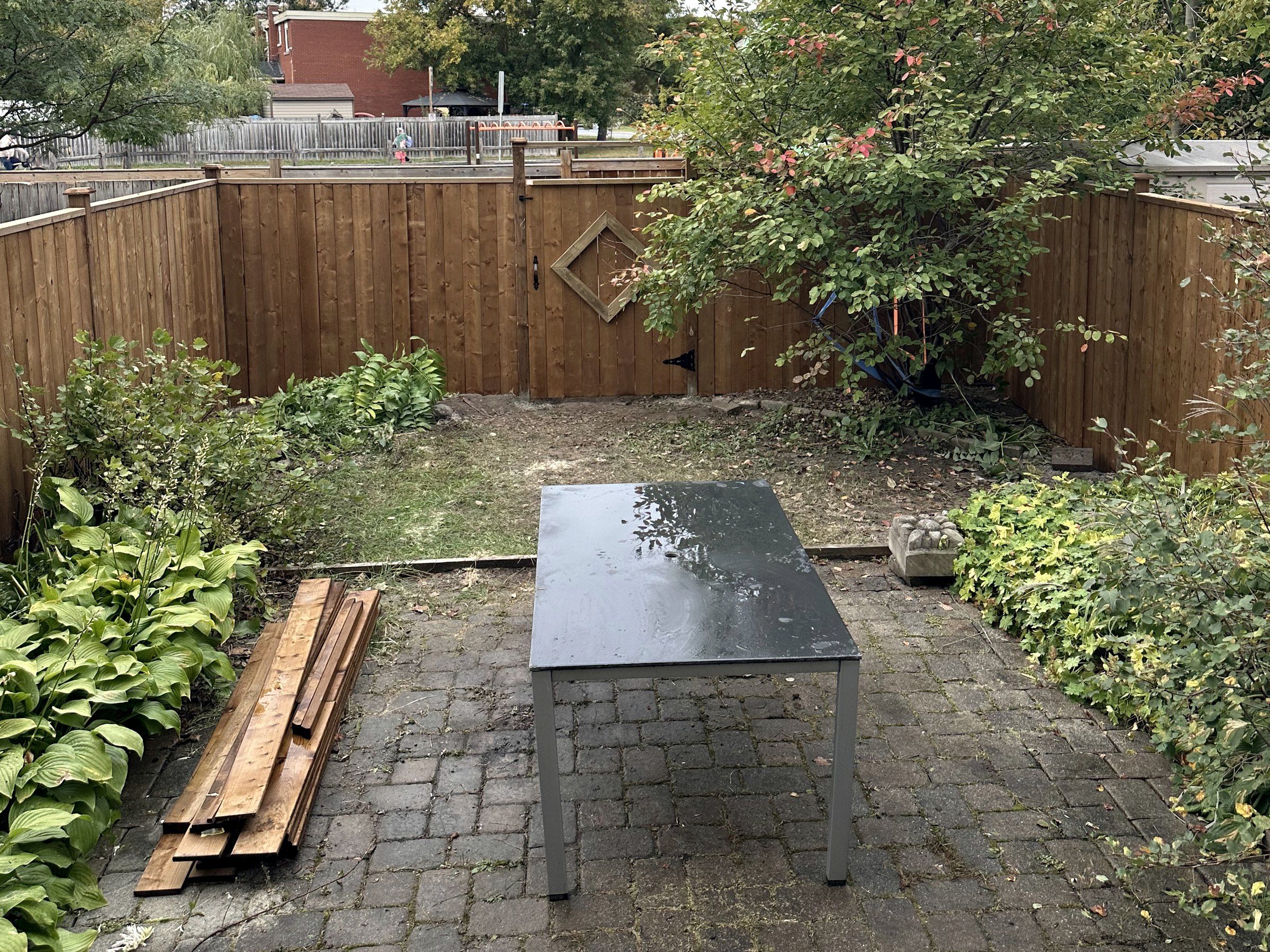
Josh Cohen-Collier · Leaning fence repaired
Related services
Often built together
FAQ
What homeowners ask about eavestroughs and downspouts
Where should my downspouts drain in Ottawa?
City of Ottawa lot grading guidance says water from a downspout should flow onto your own property and soak into the ground, through a permeable surface such as grass, with the downspout extended at least four feet from the foundation. It must never be directed onto a neighbour’s property, a sidewalk, a right of way or an easement. Where space is limited, the water goes to the lot’s intended drainage point.
Can eavestroughs and downspouts help prevent basement flooding?
They are one part of it. The City’s basement flooding guidance lists sloping the ground away from the foundation, redirecting downspouts to permeable areas 3 metres from the foundation, disconnecting downspouts from the sewer system or foundation drains, and clearing snow away from the foundation. Water entering a basement can also come through cracks or window wells, so Korvex looks at where it gets in before recommending work.
My downspout goes into a pipe in the ground. Should it be disconnected?
City of Ottawa guidance advises disconnecting downspouts from the sewer system or foundation drains and capping the end that comes out of the ground. The roof water then needs somewhere to go on your own lot, onto grass and away from the wall, never toward a neighbour or the sidewalk. At the site visit we look at each downspout and plan where its water goes once it is disconnected.
Does the City offer rebates for downspout work?
In some parts of the city. Rain Ready Ottawa offers rebates for projects such as downspout redirection, rain gardens and soakaway pits in priority stormwater retrofit areas, which are mostly older neighbourhoods. Eligibility goes by street address through a lookup on the City’s site, and the program sets its own conditions. If your address qualifies, mention it at the estimate.
Why do my eavestroughs overflow?
The usual reasons are leaves, seeds and grit filling the trough or blocking the top of a downspout, a run that has sagged so water collects in a low spot, and a trough that slopes away from its downspout. Joints and end caps that drip, or a trough pulled off the fascia, let water run down the wall. We look at which of these it is, because cleaning fixes the first and repair fixes the rest.
Do you clean eavestroughs?
Yes, as part of a visit for eavestrough or downspout work. Clearing the troughs and downspouts also shows where water stands, where joints leak and whether a downspout is blocked lower down. Ask about it when you book the estimate.
My neighbour’s downspout empties onto my yard. What can I do?
The City’s lot grading FAQ says speaking with your neighbour is the first step, and calling 3-1-1 if that does not work. On your own side of the line, a regraded strip or a shallow French drain can catch the water and carry it to an outlet on your lot. Korvex can look at both lots’ grades from your side at the site visit.
How is eavestrough and downspout work priced?
By the length of trough to repair or replace, the number of downspouts, the height and reach of the roof edge, and what has to happen on the ground where the water lands. Korvex Construction sees the house in person anywhere in Ottawa and the suburbs, and the written price follows that visit.

Book a free eavestrough estimate
Tell us what you want built and send a few photos. We come out, look at what sits under the job, and give you the scope and the price in writing.